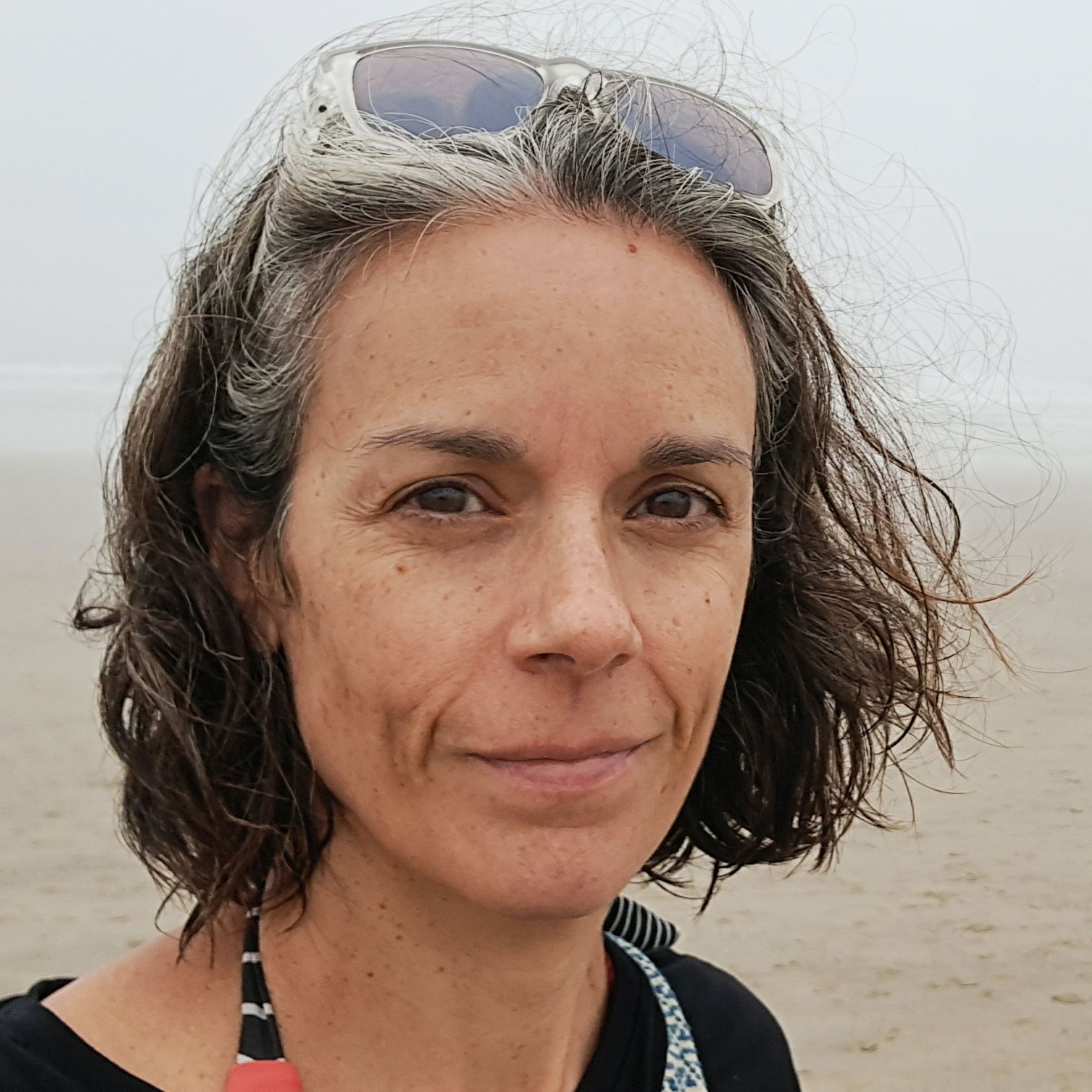
Plenary 1, 09:45–10:30, MONDAY, SEPTEMBER 14
The Problem With a Million Solutions: The Art and Science of Interpolating Sparse Ocean Colour Observations
Aida Alvera-Azcárate
ABSTRACT
Ocean colour variables measured from satellite are affected by the presence of clouds and particles in the atmosphere, resulting in a variable amount of missing data. In situ data, on the other hand, are spare in space and time. However, we often need a complete coverage in order to study the spatio-temporal characteristics of these data. We will discuss two well-known approaches to interpolate data, one specifically designed for satellite data (DINEOF – Data Interpolating Empirical Orthogonal Functions) and another one used for in situ data (DIVA – Data Interpolating Variational Analysis). We will describe these two approaches, their main developments, as well as new approaches based in neural networks (e.g., DINCAE, Data Interpolating Convolutional AutoEncoder).
Choosing an adequate technique for the problem we want to solve is a crucial step, as it is to understand the assumptions we make at each step. Previous knowledge on the technique, the variable and the region we are interpolating can help in achieving the best possible interpolation, but the definition of what the “best interpolation” is can be different depending on the context and the application. Ultimately, the definition of what a good interpolation is depends on what the—unknown—true state of the ocean is at every moment and place. There are therefore a multitude of solutions to any interpolation problem, and many can be seen as the best solution possible depending on our objectives. We will discuss how this influences our choices when interpolating spare ocean colour data.
BIO
Aida Alvera-Azcárate is a physical oceanographer working at the GHER group of the University of Liège. She obtained a degree in Marine Science from the University of Las Palmas de Gran Canaria (Spain) in 2000 and a PhD in Science from the University of Liège in 2004. She was a research associate at the College of Marine Science of the University of South Florida from 2004 to 2007. Her work at the University of Liège focuses on the use and improvement of ocean remote sensing data to advance our understanding of the marine environment. She specialises in the reconstruction of missing data using DINEOF, applied to variables like chlorophyll concentration, suspended particulate matter, turbidity and sea surface temperature among others. Her research interests also include integrating multiplatform data (satellite, in situ) along with model data to study the variability of the ocean at different spatial and temporal scales.
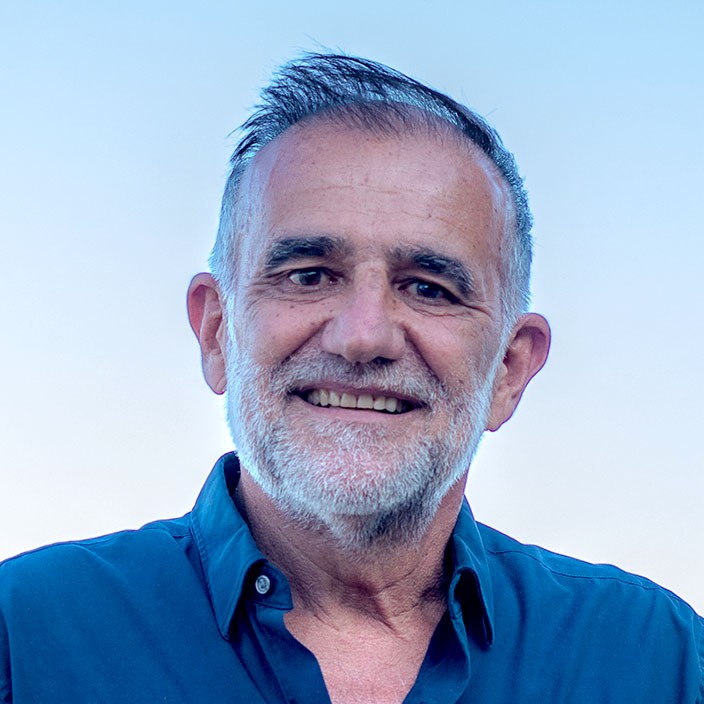
Plenary 2, 09:00–09:45, TUESDAY, SEPTEMBER 15
Bio-Optical Observations from Autonomous Platforms: From Early Concept to the BGC-Argo Era
Hervé Claustre
ABSTRACT
Nearly two decades ago, autonomous bio-optical platforms were emerging as a promising solution to one of oceanography’s most persistent challenges: the chronic undersampling of the ocean interior. At the time, profiling floats equipped with optical sensors were experimental tools, and the prospect of a sustained global bio-optical observing system remained largely aspirational.
Today, that vision has become reality. Advances in sensor technology, float reliability, data management, and international coordination have led to the development of Biogeochemical-Argo (BGC-Argo), a global observing system delivering sustained observations of key bio-optical and biogeochemical variables. These observations have transformed our ability to characterize ocean ecosystems, quantify carbon cycling, improve satellite ocean-colour products, and constrain biogeochemical models.
This presentation will specifically revisit the evolution of autonomous bio-optical observations, from the early proof-of-concept deployments to the mature BGC-Argo era. It will highlight how scientific ambition, technological innovation, and international collaboration progressively converged to build a global observing system, and how bio-optics has remained at the heart of this evolution.
Finally, the presentation will discuss the next generation of challenges. As expectations expand toward ecosystem monitoring, climate services, marine biodiversity, and carbon dioxide removal, the future of BGC-Argo will depend on its ability to embrace innovation while preserving the standardization, data quality, and interoperability that underpin its long-term success.
BIO
Hervé Claustre is an internationally recognized pioneer of autonomous ocean observation and marine bio-optical monitoring. An observational oceanographer and biogeochemist at the Villefranche Oceanography Laboratory (CNRS/Sorbonne University), his work has been central to the development of optical and robotic observing systems that now underpin our understanding of marine ecosystems and the ocean’s role in climate regulation.
His scientific trajectory began with foundational contributions to phytoplankton pigment analysis and ocean-color validation, developing HPLC-based bio-optical approaches that became standard tools for characterizing phytoplankton communities and linking in situ optics to satellite ocean color. He played a key role in major calibration—validation and biogeochemical process cruises, including the landmark BIOSOPE expedition in the South Pacific Subtropical Gyre.
His research has consistently bridged optical sensing, autonomous platforms and satellite ocean color, enabling a new three-dimensional vision of marine biogeochemistry. He has been a driving force behind the development and scientific exploitation of profiling floats and underwater gliders equipped with bio-optical sensors, opening access to vast, previously unobservable regions of the global ocean.
A two-time recipient of the prestigious European Research Council Advanced Grant for the prototyping of breakthrough profiling floats to explore and quantify carbon fluxes, he has authored more than 200 scientific publications. He is co-founder and co-chair of the international BGC-Argo programme, which now operates the world’s first global network of bio-optical profiling floats delivering open-access data for climate research, satellite validation and contributing to emerging observation-based ocean governance in the open ocean.
Through his scientific leadership, international coordination and strong commitment to open data and knowledge sharing, Hervé Claustre is a key contributor to the development of modern ocean optics and autonomous ocean observing.
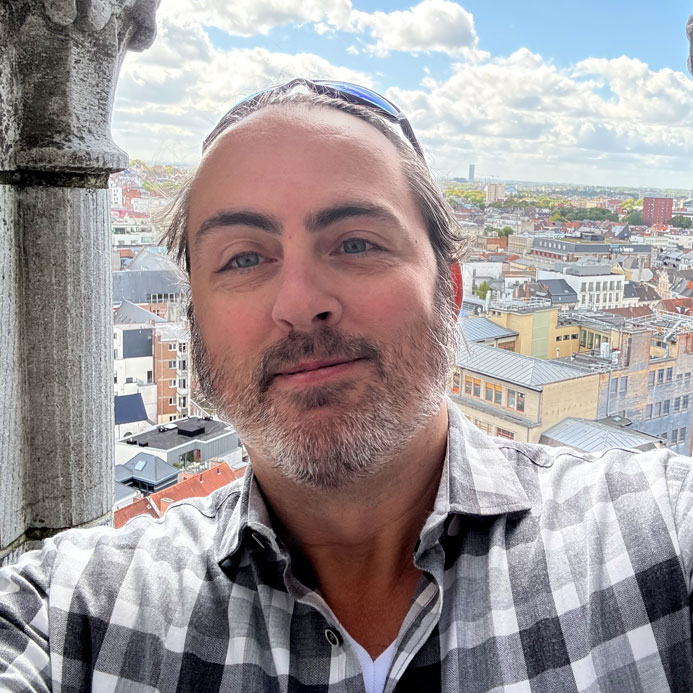
Plenary 3, 09:00–09:45, Wednesday, September 16
Measuring Optical Properties of Ocean Waters: Past, Present, and Future Perspectives
Wayne Slade
ABSTRACT
Ocean science has long organized itself around the characteristic spatial and temporal scales of the processes we study: from decadal regime shifts, mesoscale eddies, tidal and diel cycles, to turbulent mixing, an idea captured in Stommel’s classic diagrams of ocean variability. We try to build our measurement tools and observing systems to match these scales, but often our platforms and instruments are bound by their own scales, shaping which processes we can study. In this talk, I’ll consider the past, present, and future of measuring ocean optical properties through this scale-based lens, considering how our view of the ocean has both expanded and been constrained across space and time; and further, how extending our observations along the dimensions of spectral and polarimetric information have reshaped our sensing capabilities.
Additionally, this journey from past to future also weaves through the constraints of cost and data volume. Advances in consumer electronics and ‘maker’ culture are opening up new opportunities for low-cost sensing. In the past, ocean optics tended to be data-poor, while presently, new and more readily available instrumentation, autonomous platforms, and hyperspectral (and polarized) observations present challenges in terms of data quantity and interpretation of measurements. In the future, we will need to push our limits of observation across all these physical and sensing dimensions, adapt data science and AI methods to manage ever-increasing data volumes, and develop new methods and models to connect what’s in the water to our measurements.
BIO
Dr. Wayne H. Slade is an Associate Research Professor at Florida Atlantic University’s Harbor Branch Oceanographic Institute. He joined the FAU faculty in late 2023. Before joining FAU, Dr. Slade spent significant time in the private sector with Sequoia Scientific, Inc., where he led instrumentation R&D for ocean optics and other environmental and industrial applications. He received his Ph.D. in Oceanography from the University of Maine in 2011, focused on ocean optics, and before that, received his B.S. and M.S. in Electrical Engineering, working on neural networks and machine learning applications to problems like ocean color remote sensing. Dr. Slade’s work bridges engineering and oceanography: working to better understand how optical tools can be used to infer biogeochemical and physical processes, as well as designing and deploying optical sensors and developing new methods (including multi-spectral, multi-angle, polarimetric systems) to measure inherent optical properties in situ using a variety of platforms. At FAU’s Harbor Branch, he is establishing a new lab focused on optical particle sensing relevant to inland, coastal, and open-ocean processes, as well as applying these tools to understand episodic events (e.g., freshwater releases, harmful algal blooms, and storms) that have significant impact to coastal Florida and beyond.
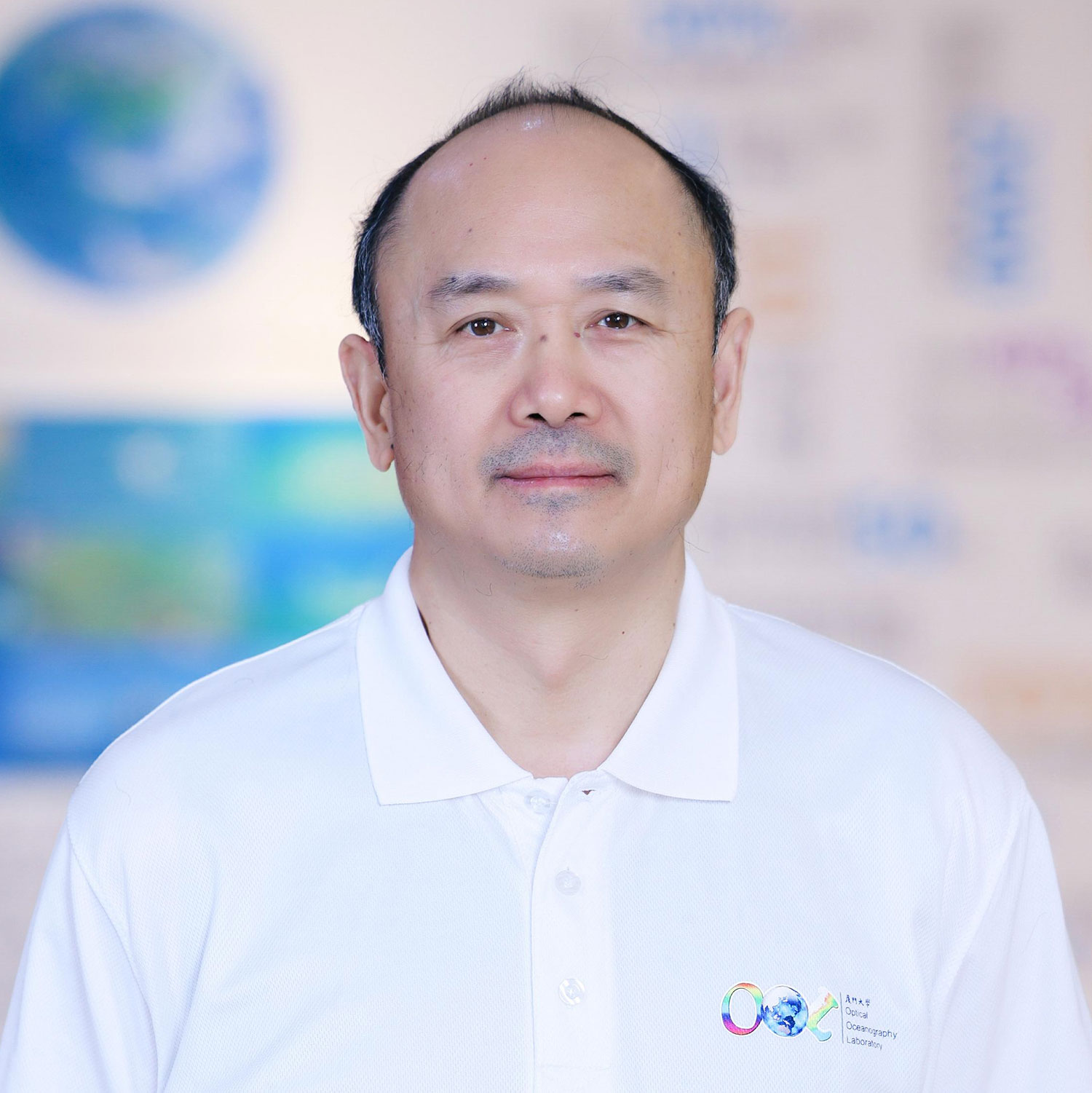
Plenary 4, 09:00–09:45, Thursday, September 17
Progress and Gaps in Ocean Color Remote Sensing of Coastal Water
Zhongping Lee
ABSTRACT
The coastal zone is one of the most important regions in the Earth system, as it is not only a critical resource provider for human beings, but also the linkage between the terrestrial and oceanic environments. It is not surprising that the first satellite for ocean color remote sensing is named the Coastal Zone Color Scanner. After ~50 years of practice in satellite ocean color remote sensing, the international community has made tremendous progress in the ocean color remote sensing of the coastal zone, which includes many more sites having continuous radiometric measurements in the coastal region, new approaches for atmospheric correction, as well as advancement in the estimation of shallow-water depth from satellite measurements. However, the goal of accurately estimating the bio-optical properties of coastal waters is still elusive. In this presentation, examples of progress in ocean color remote sensing in the coastal zone will be presented, with a focus on the gaps we still face.
BIO
The Oceanography Society selected Dr. Zhongping Lee of Xiamen University as the recipient of the 2026 Nils Gunnar Jerlov Medal for his breakthrough in water transparency theory and outstanding contributions to the advancement of ocean color remote sensing, recognizing his transformative contributions to understanding how light interacts with the ocean, as well as his sustained leadership in education, interdisciplinary research, and collaborative work with meaningful societal impact. Over more than three decades, Lee’s research has reshaped the theoretical foundations and practical implementation of ocean color science, enabling robust global observations of ocean transparency, productivity, and optical properties from satellites.
Central to Lee’s impact is his pioneering shift toward an inherent optical properties (IOP)–centered framework for ocean color remote sensing. This physics-based approach replaced empirical, chlorophyll-centered methods with models grounded in radiative transfer, dramatically improving accuracy and global applicability. His Quasi-Analytical Algorithm (QAA) for retrieving absorption and backscattering of water constituents from satellite observations is now used operationally by NASA, NOAA, and ESA.
Lee’s revised theory of Secchi disk depth replaced the decades-old paradigm and established a direct, mechanistic link between water transparency and diffuse attenuation—an advance that made global satellite-based transparency products possible. These products are now adopted operationally, providing critical insights into water transparency and ecosystem change.
Through his groundbreaking research, collaborative leadership, and dedication to training the next-generation scientists, Zhongping Lee exemplifies the goals of the Nils Gunnar Jerlov Medal. His selection as the 2026 recipient recognizes a career that has fundamentally advanced ocean optics and delivered enduring scientific and societal benefits. > Read more
Plenary 5, 09:45–10:30, Friday, September 18
Phytoplankton and the Biological Carbon Pump: A View from Space
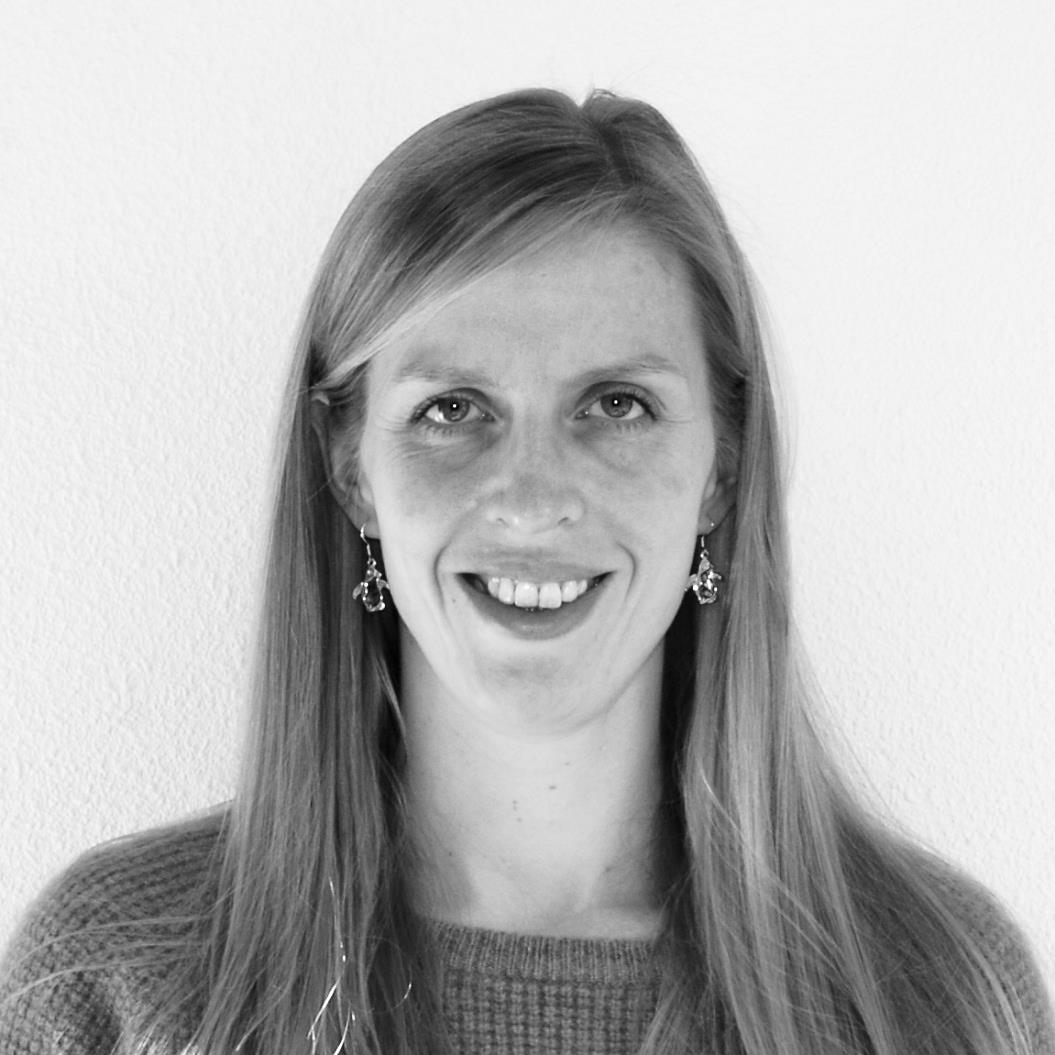
Gemma Kulk
ABSTRACT
Phytoplankton play a central role in the Earth System. Through photosynthesis, they are responsible for the uptake of 50 gigatonne of carbon per year, equivalent to that of terrestrial plants, driving major processes in the ocean carbon cycle. Through this production of organic carbon, phytoplankton form the basis of almost all life in the ocean. Ocean-colour satellites have revolutionised the way we observe phytoplankton in the ocean with global maps of phytoplankton biomass and production becoming available. This contributed to our understanding of the role of phytoplankton in the biological carbon pump, the main process that transports organic carbon from the surface to the deep ocean. Decades of ocean-colour research now enables us to establish a budget for many of the carbon pools and fluxes that are part of the biological carbon pump, including dissolved and particulate organic carbon and primary and export production. The continuous ocean-colour satellite data record is nearing 30 years and is becoming of sufficient length to understand changes in phytoplankton and their role in the biological carbon pump at climate time scales, especially in those regions where the impact of climate change is highest. Yet, uncertainty remains in the magnitude and even direction of change, highlighting the need for continued observations and research. It is also becoming increasingly important to consider the high biodiversity of phytoplankton, which is complemented by their functional diversity, which recognises that different types of phytoplankton play varied roles in marine ecosystems and in biogeochemical cycles in the ocean.
BIO
Dr. Gemma Kulk is an expert in phytoplankton physiology and primary production, leading research on the role of phytoplankton in the ocean carbon cycle using ocean-colour remote sensing. She leads the European Space Agency-funded project Satellite-based Observations of Carbon in the Ocean: Pools, Fluxes, and Exchanges (SCOPE), which aims to develop a comprehensive ocean carbon budget from satellite observations. She is a member of the International Ocean Colour Coordinating Group (IOCCG) working group on Primary Production and a contributing author to the Committee on Earth Observation Satellites (CEOS) Aquatic Carbon Roadmap.
In addition, Gemma researches the environmental drivers of waterborne diseases and co-leads the Wellcome Trust-funded project Water-Associated Infectious Diseases in India (WADIM), developing digital technologies to reduce disease impacts. She is a member of the Research and Independent Non-Governmental Organizations (RINGO) thematic group on Public Health and Climate Change and has co-authored policy briefs on climate change, water quality, and human health that contributed to the UN Sustainable Development Goals and the UN Framework Convention on Climate Change.
Gemma is a senior scientist at Plymouth Marine Laboratory (UK) and previously worked at the University of Groningen (Netherlands). She holds a PhD with highest honours in Mathematics and Natural Sciences and has over a decade of interdisciplinary research experience across polar, temperate, and tropical marine environments. She is also an experienced project manager and educator.